Understanding the Science Behind the Smoothie
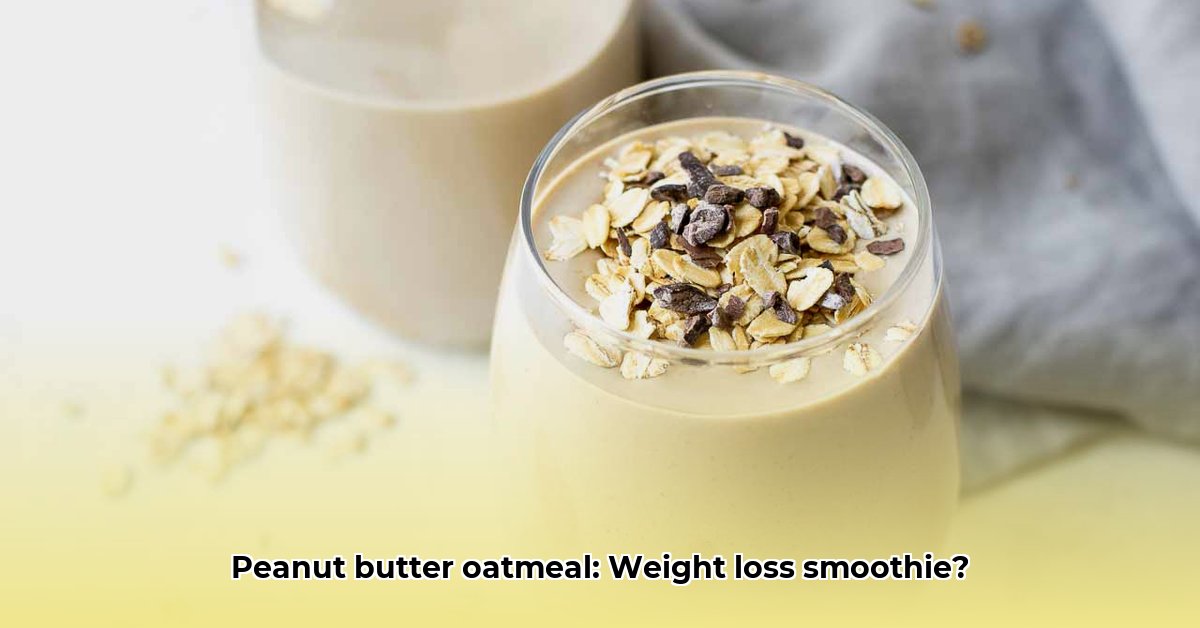
Ready to lose weight without feeling hungry all the time? A peanut butter oatmeal smoothie might be your new best friend. But it's not magic; it's about smart food choices. Natural peanut butter is packed with protein, fiber, and healthy fats—key ingredients for keeping you full and energized. Oats add even more fiber, helping stabilize blood sugar levels and curb those cravings. This combination can naturally help you consume fewer calories throughout the day.
"Studies show that a diet rich in fiber and protein promotes satiety, leading to reduced calorie intake," says Dr. Sarah Miller, Registered Dietitian at the Center for Nutrition Research. This translates to a gradual, sustainable approach to weight loss.
Your Personalized Peanut Butter Oatmeal Smoothie Weight Loss Plan
This isn't a diet; it's a lifestyle shift. Follow these simple steps to create your own delicious and effective weight-loss smoothie:
Choose Your Peanut Butter Wisely: Select 100% natural peanut butter with minimal added sugar and salt. (Added sugars and salt can hinder your weight loss efforts.) Read those labels carefully!
Oatmeal Selection: Opt for whole rolled oats or quick-cooking oats. (Avoid instant oats, which often contain excessive added sugar.)
Nutrient Boosters: Enhance your smoothie with fruits and vegetables! Berries are low in sugar and packed with antioxidants. A banana adds creaminess and potassium. Spinach or kale provides extra nutrients with minimal taste impact.
Flavor Enhancements (Optional): A dash of cinnamon or ginger can add flavor and may boost your metabolism. (Start with small amounts and observe how your body responds.)
Portion Control: The Key to Success: Limit peanut butter to 1-2 tablespoons per smoothie. (Even healthy fats contain calories. Moderation is vital.) Track your daily calorie intake using a food journal or app.
Listen to Your Body: Pay attention to your hunger and energy levels after each smoothie. Adjust ingredients or portion sizes accordingly. (Feeling hungry an hour later? Increase the portion slightly next time.)
Consistency is Key: Make your peanut butter oatmeal smoothie a regular part of your routine. (Remember, it’s part of a balanced eating plan, not a replacement.)
Weighing the Pros and Cons: A Balanced Perspective
Incorporating peanut butter oatmeal smoothies into your weight loss strategy offers several potential benefits, but it's crucial to be aware of potential drawbacks:
| Potential Benefits | Potential Drawbacks | Mitigation Strategies |
|---|---|---|
| Increased satiety (feeling full) | High calorie density of peanut butter | Careful portion control (1-2 tablespoons) |
| Stabilized blood sugar levels | Added sugars in some ingredients | Choose naturally sweet fruits; reduce fruit quantity |
| Improved energy levels | Potential digestive discomfort from high fiber | Introduce fiber gradually; drink plenty of water |
| Convenient and quick meal replacement | May replace more nutrient-rich meals if not balanced | Ensure a varied diet; don't rely solely on smoothies |
Long-Term Strategies: Sustainable Weight Loss
Sustainable weight loss requires a holistic approach. Your smoothie is one tool in your toolbox:
Balanced Diet: Prioritize whole grains, lean proteins (fish, chicken, beans), and colorful vegetables.
Regular Exercise: Aim for at least 30 minutes of moderate-intensity exercise most days of the week.
Mindful Eating: Pay attention to your hunger and fullness cues. Avoid mindless snacking.
Remember: Always consult with a doctor or registered dietitian before making significant dietary changes, especially if you have underlying health conditions.
Recipe Example: A Simple & Effective Smoothie
- 1 cup rolled oats
- 1 cup unsweetened almond milk
- 1 frozen banana
- 1 tablespoon natural peanut butter
- ½ cup mixed berries
- 1 cup spinach
Blend until smooth! Feel free to experiment with your favorite ingredients.
This guide provides general information and should not be considered medical advice. Consult a healthcare professional for personalized guidance.